Archives
- 2026-11
- 2026-10
- 2026-09
- 2026-08
- 2026-07
- 2026-06
- 2026-05
- 2026-04
- 2026-03
- 2026-02
- 2026-01
- 2025-12
- 2025-11
- 2025-10
- 2025-09
- 2025-03
- 2025-02
- 2025-01
- 2024-12
- 2024-11
- 2024-10
- 2024-09
- 2024-08
- 2024-07
- 2024-06
- 2024-05
- 2024-04
- 2024-03
- 2024-02
- 2024-01
- 2023-12
- 2023-11
- 2023-10
- 2023-09
- 2023-08
- 2023-07
- 2023-06
- 2023-05
- 2023-04
- 2023-03
- 2023-02
- 2023-01
- 2022-12
- 2022-11
- 2022-10
- 2022-09
- 2022-08
- 2022-07
- 2022-06
- 2022-05
- 2022-04
- 2022-03
- 2022-02
- 2022-01
Citral or dimethyl octadien al
2024-04-19
Citral or 3,7-dimethyl-2,6-octadien-1-al is a mixture of two stereoisomeric monoterpene aldehydes (the trans isomer geranial, citral A (40–62%)) and the cis isomer neral, citral B (25–38%) and serves one of the main constituent of essential oils of C. citratusis used in cosmetic, food, fungicides, p
It is reported that calpain plays
2024-04-19
It is reported that calpain-2 plays a critical role in BDNF-induced signaling and memory formation, and knockdown of calpain-2, but not calpain-1, completely suppresses BDNF-induced pathway activation and protein translation (Briz et al., 2013). BDNF prevents neuronal apoptosis or death (Ferrer et a
br Secreted enzymes Only two secreted S aureus enzymes
2024-04-19
Secreted enzymes Only two secreted S. aureus enzymes reportedly induce apoptosis, namely, staphylococcal staphopain B (SspB) and coagulase. SspB selectively cleaved CD11b/CD18 integrin and induced an apoptosis-like cell death in neutrophils and monocytes (Smagur et al., 2009). Neutrophils or mono
Recent work has detailed the impact of genetic deletion of
2024-04-18
Recent work has detailed the impact of genetic peptide yy of AMPK in the liver, revealing only minor phenotypes upon removal in mice (Boudaba et al., 2018). However, these studies very elegantly showed the potential for small molecule-mediated activation of AMPK to elicit large changes in lipid met
In light of several reports of defects in
2024-04-18
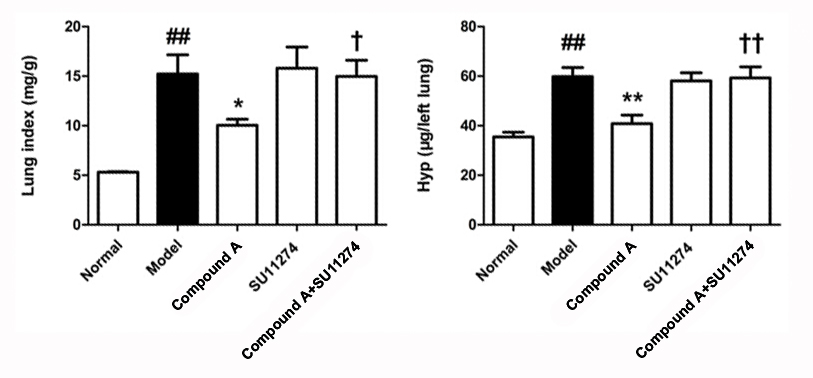
In light of several reports of defects in memory-related tasks for the dysbindin-deficient mice (Cox et al., 2009, Takao et al., 2008), it was rather unexpected that an enhancement of CA3–CA1 LTP was observed in our investigation as well as in another independent study (T.T. Tang et al., 2009). The
Blocking the action of CREB
2024-04-18
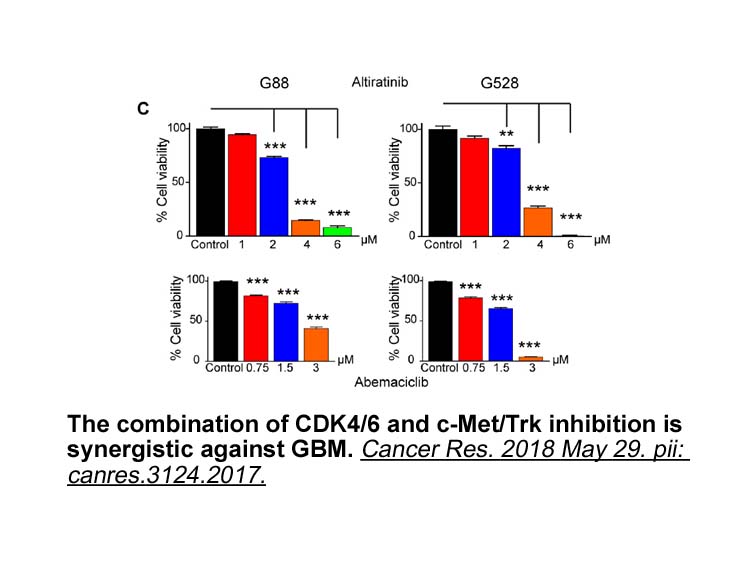
Blocking the action of CREB with the C646 inhibitor together with increasing Akt activation with the SC79 agonist is particularly interesting as it significantly reduced wound closure time from 7 days (which is required for complete closure of control hTECs exposed to DMSO) to only 4 days (when hTEC
br AHR mediates TCDD toxicity
2024-04-18
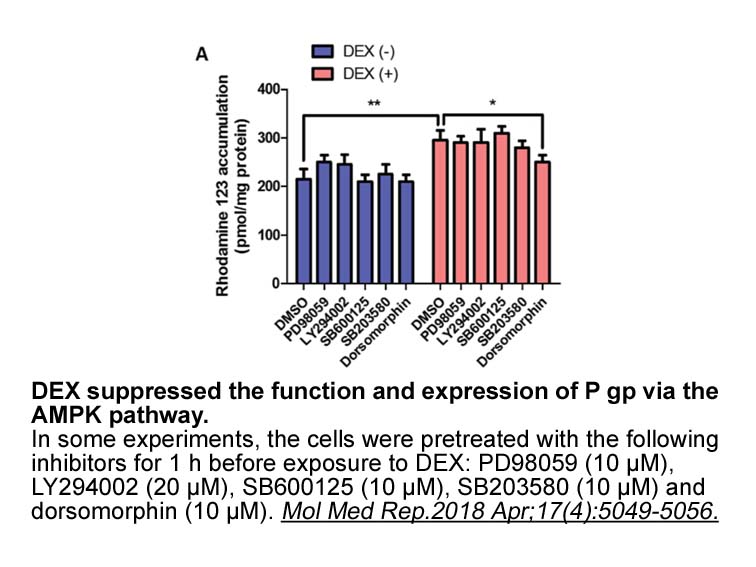
AHR mediates TCDD toxicity and wasting syndrome TCDD causes numerous toxicities in laboratory animals, including teratogenesis, hepatic steatosis, thymic atrophy, immune dysfunction and a lethal wasting syndrome [17]. The dose-dependent sensitivity to TCDD-induced toxicities varies widely among l
sVRPs were more sensitive to ABT than MSRs This
2024-04-18
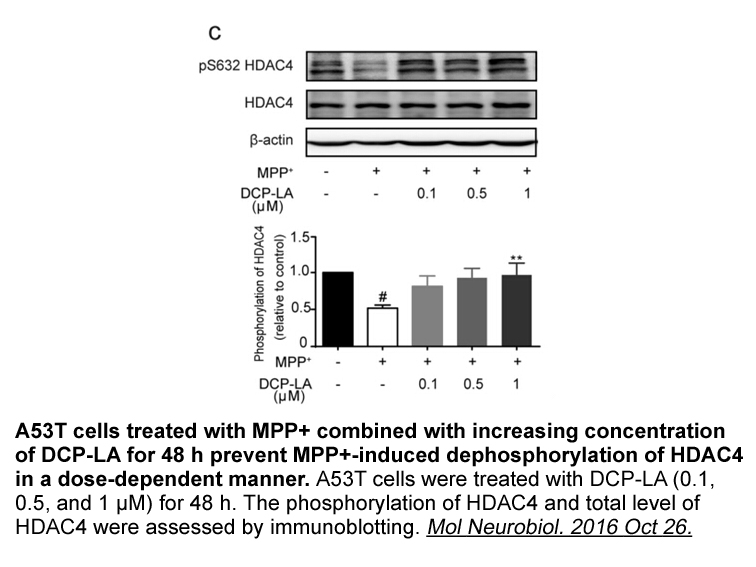
sVRPs were more sensitive to ABT-702 than MSRs. This result agrees with previous reports that the activation of A1 receptors more potently inhibits sVRPs than MSRs (Nakamura et al., 1997, Otsuguro et al., 2009). Importantly, sVRPs are thought to reflex C-fiber-evoked nociceptive transmission. Nocice
ATX LPA signaling in cancer is also well known to
2024-04-18
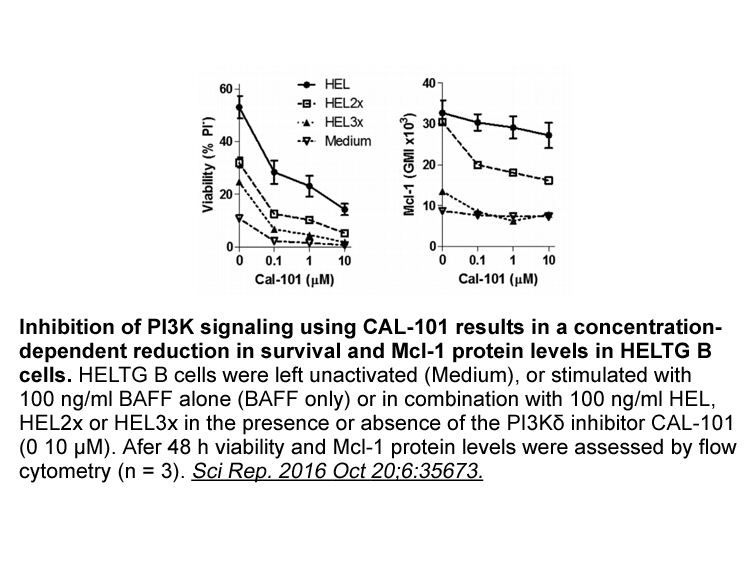
ATX/LPA signaling in cancer is also well known to promote chemotherapy and radiotherapy resistance [7]. Furthermore, others have recently shown that endothelial-derived ATX activity in renal cell carcinoma promotes renal tumorgenesis and acquired resistance to sunitinib through an IL-8-mediated mech
br Autophagy in hemorrhagic stroke About of all
2024-04-18
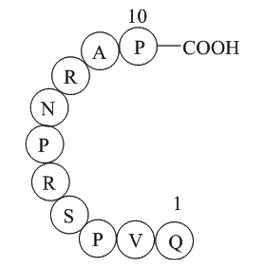
Autophagy in hemorrhagic stroke About 87% of all strokes cases are ischemic, the rest being hemorrhagic. ICH and SAH are the two major categories of hemorrhagic strokes (Bruder et al., 2014). Both types of stroke are associated with a high mortality and morbidity rate. The corresponding animal mo
Among the most important Ca
2024-04-18
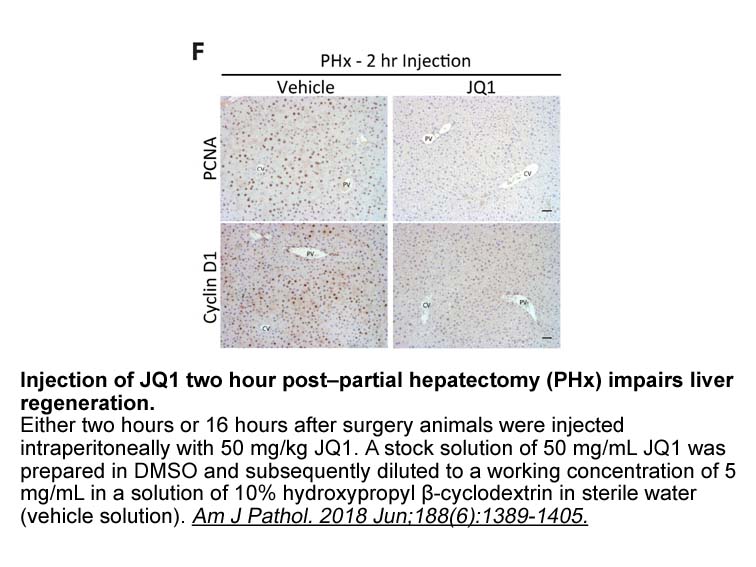
Among the most important Ca regulatory mechanisms are the Plasma Membrane Calcium ATPase (PMCA) and Sarcoplasmic Reticulum Calcium ATPase (SERCA). These pumps belong to the family of P-ATPases, which share the formation of an acid-stable phosphorylated intermediate as part of their reaction cycle. P
br Introduction Throughout early prophase I meiotic cells in
2024-04-17
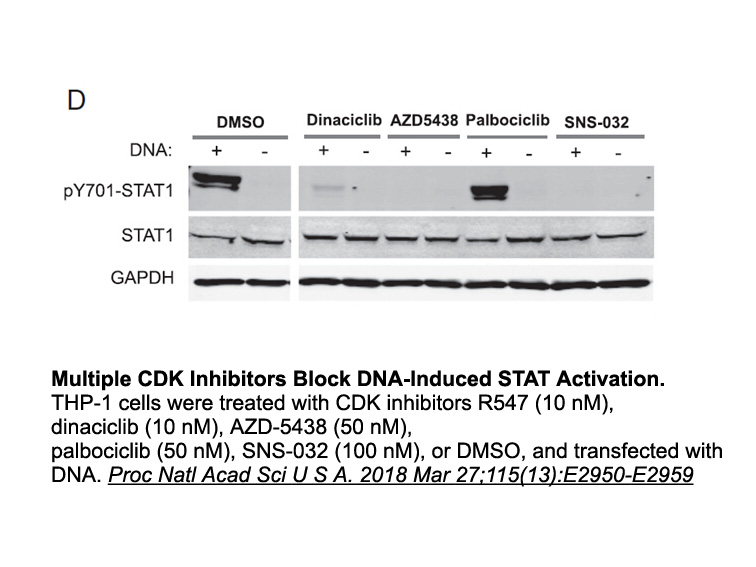
Introduction Throughout early prophase I, meiotic cells intentionally generate DSBs as part of a stringently controlled process to initiate homologous recombination (HR). HR is a critical DSB repair pathway that ultimately permits the exchange of genetic information between homologous chromosomes
Fourth non canonical sites may be targeted
2024-04-17
Fourth, non-canonical sites may be targeted. Classical benzodiazepines require the presence of a γ subunit for high-affinity binding, which limits their activity to a specific large pool of receptor isoforms, leaving other isoforms unaffected. In particular, δ subunit-containing receptors, as well a
The putative residue apelin proprotein proapelin or apelin i
2024-04-17
The putative 55-residue apelin proprotein (proapelin or apelin-55) is processed from a 77-residue preproprotein through removal of a 22-residue signal peptide (Table 1). Apelin-55 is further processed into bioactive isoforms of 36, 17, or 13 residues, likely through protease-mediated mechanisms. To
Previous studies have indicated that maximal IL protein
2024-04-17
Previous studies have indicated that maximal IL-8 protein Bradykinin acetate requires NF-κB activation as well as the activation of the MAP kinases ERK, JNK, and p38 (Li et al., 2002). In our study, NF-κB inhibitor can reduce the up-regulated IL-8 production by PRRSV infection, indicating that PRRS
8601 records 205/574 page Previous Next First page 上5页 201202203204205 下5页 Last page