Archives
- 2026-07
- 2026-06
- 2026-05
- 2026-04
- 2026-03
- 2026-02
- 2026-01
- 2025-12
- 2025-11
- 2025-10
- 2025-09
- 2025-03
- 2025-02
- 2025-01
- 2024-12
- 2024-11
- 2024-10
- 2024-09
- 2024-08
- 2024-07
- 2024-06
- 2024-05
- 2024-04
- 2024-03
- 2024-02
- 2024-01
- 2023-12
- 2023-11
- 2023-10
- 2023-09
- 2023-08
- 2023-07
- 2023-06
- 2023-05
- 2023-04
- 2023-03
- 2023-02
- 2023-01
- 2022-12
- 2022-11
- 2022-10
- 2022-09
- 2022-08
- 2022-07
- 2022-06
- 2022-05
- 2022-04
- 2022-03
- 2022-02
- 2022-01
- 2021-12
- 2021-11
- 2021-10
- 2021-09
- 2021-08
- 2021-07
- 2021-06
- 2021-05
- 2021-04
- 2021-03
- 2021-02
- 2021-01
- 2020-12
- 2020-11
- 2020-10
- 2020-09
- 2020-08
- 2020-07
- 2020-06
- 2020-05
- 2020-04
- 2020-03
- 2020-02
- 2020-01
- 2019-12
- 2019-11
- 2019-10
- 2019-09
- 2019-08
- 2019-07
- 2019-06
- 2019-05
- 2019-04
- 2018-07
-
FFA expression was also noted to be upregulated in
2022-04-07
FFA4 expression was also noted to be upregulated in eight human CRC cell lines. Compared to two normal colon cell lines with relative one-fold expression of FFA4, CRC cell lines HCT116 (3.5-fold higher), Colo205 (3-fold), Caco-2 (2.2-fold), HT-29 (2.3-fold), RKO (2.8-fold), DLD-1 (2.9-fold), SW480 (
-
The ability of GPX and
2022-04-07

The ability of GPX4 and other selenoproteins to be selectively induced by ferroptotic stimuli suggests that the stress-induced increase in the transcription of a number of putative, “antioxidant” selenoproteins is an adaptive homeostatic, but insufficient response to prevent cell death in the face o
-
br Hydroxyfarnesyl diphosphate was synthesised in three
2022-04-07
12-Hydroxyfarnesyl diphosphate (6) was synthesised in three steps starting from commercially available (E,E)-farnesol (10) (Scheme 5). Chlorination of 10 gave farnesyl chloride (11) in a quantitative yield, which was carried forward without purification. The following step was a selenium dioxide-c
-
Cell cell junction proteins were
2022-04-07
Cell-cell junction proteins were the first upstream modules to be characterized as contact sensors through the Hippo pathway. These junctions may be divided in 2 categories: adherens and epithelial polarity junctions. The establishment of intercellular contacts involves the cadherin proteins present
-
On the other hand after injury of the
2022-04-07
On the other hand, after injury of the adult heart, inflammatory monocytes are abundantly recruited to damaged myocardium and they differentiate into monocyte-derived macrophages (MDMs). They have strong proinflammatory phenotype and very limited capacity to promote angiogenesis and cardiomyocyte pr
-
Molecular modeling of the sGC H NOX domain has
2022-04-06
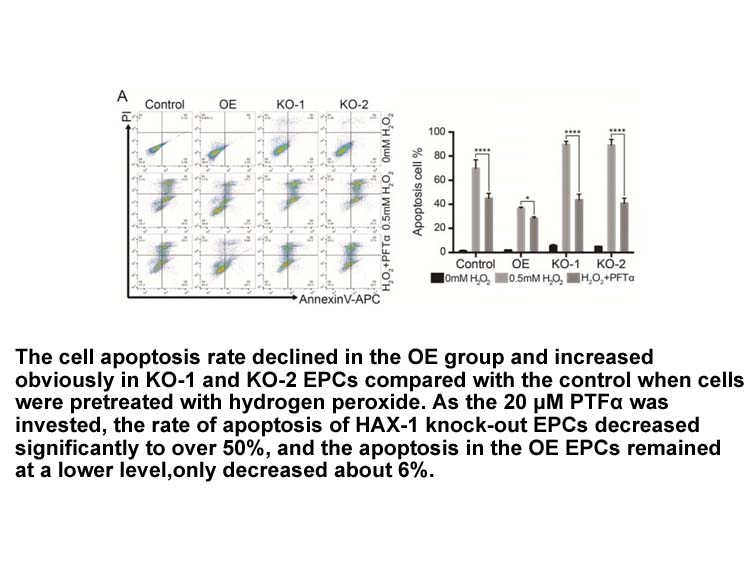
Molecular modeling of the sGC H-NOX domain has placed the β1-domain Cys, β1-C78 and β1-C122, close to the heme binding pocket; specifically, the β1-C78 is placed diametrically opposite to β1-H105, the residue responsible for coordinating the heme iron [42,43]. β1-C78 is enclosed in a highly Triacety
-
In the present study we showed that reduced
2022-04-06
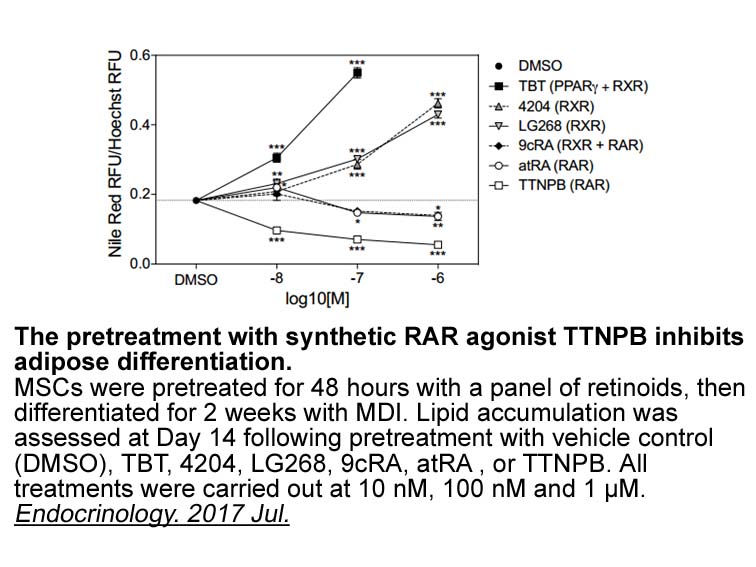
In the present study, we showed that reduced neuron formation in vitro induced by IL-1β was ameliorated by activation of GPR55 in both human and mouse cultures of NSCs. Pre-treatment with GPR55 agonists also blocked upregulation of inflammatory cytokine receptor mRNA (IL-1R1, IL-6st) while increasin
-
The combination of niacin with a selective PGD
2022-04-06
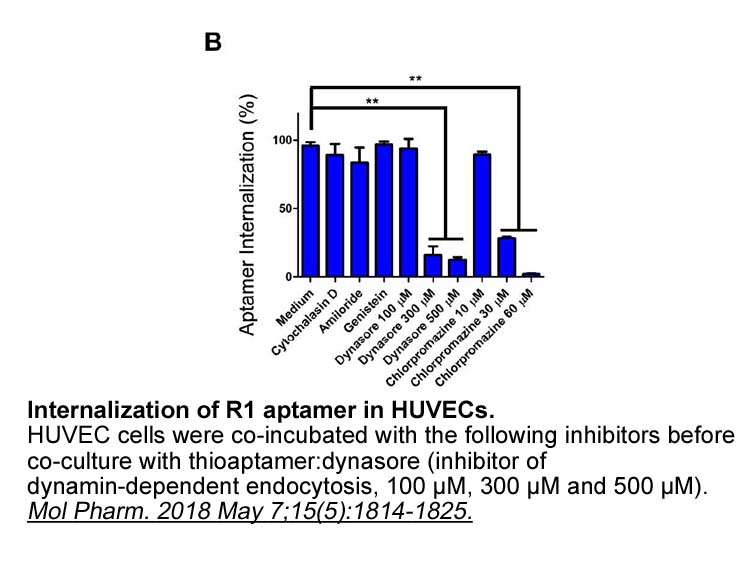
The combination of niacin with a selective PGD2 receptor antagonist laropiprant, designed to circumvent the flushing side effect of niacin, has been evaluated in the HPS2-THRIVE study and showed no clinically meaningful benefit when administered in patients on top of statin therapy [41]. Our data su
-
2,4-Diacetylphloroglucinol In the present study both experim
2022-04-06
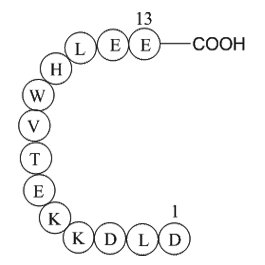
In the present study, both experimental and theoretical studies were performed to explore the inhibitory mechanisms of indomethacin and its analogues towards GLOI. A remarkable correlation (=0.974) was derived for the four structurally similar NSAIDs and two curcumins between the experimental bindin
-
Variants of NEIL were also analysed in
2022-04-06
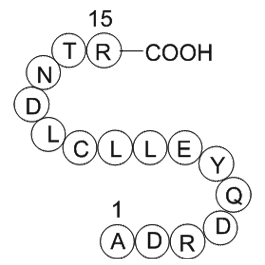
Variants of NEIL1 were also analysed in Primary sclerosing cholangitis (PSC) and cholangiocarcinoma (CCA) patients by Forsbring et al. to identify effect of variants on these diseases. Four variants were identified i.e., one earlier validated (G83D) and three novel (E181K, H275, R339W). E181K was fo
-
The effects of these steroids namely
2022-04-06
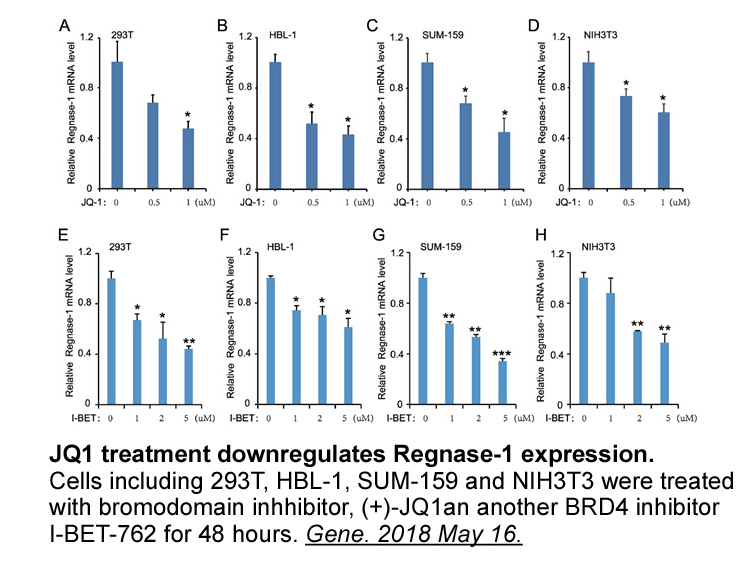
The effects of these steroids, namely the decrease in the peak and acceleration of desensitization could be observed in IGly activated by 100 μM glycine (concentration close to EC50). However, with an increase in glycine to 500 μM (a concentration close to saturating), the effect of steroids on the
-
Our overall goal is to develop
2022-04-06
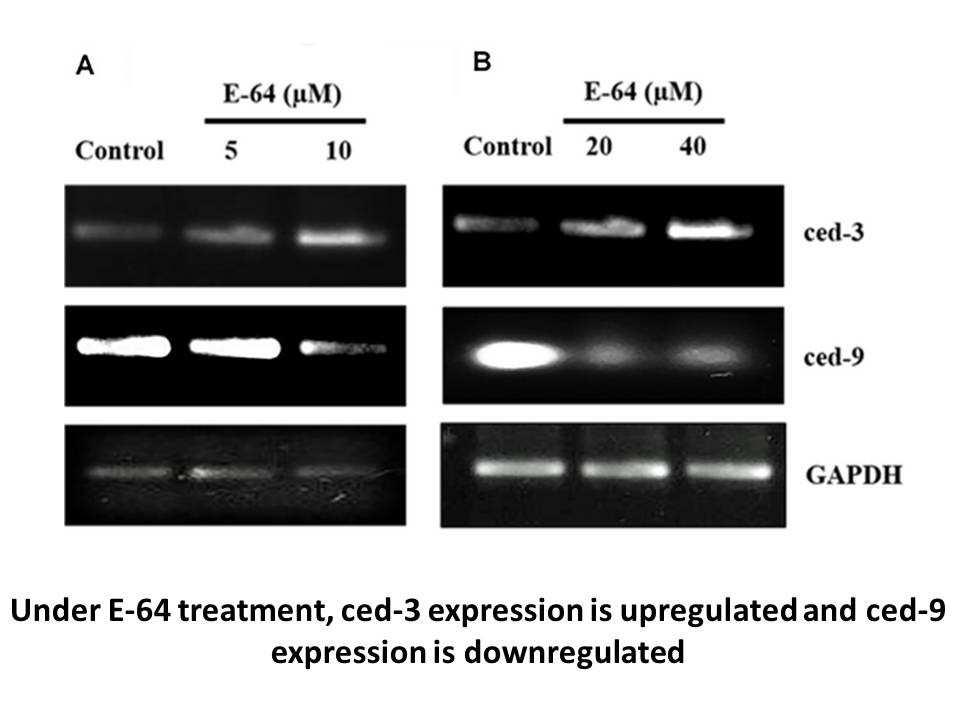
Our overall goal is to develop selective compounds for low-affinity/high-capacity transporters inhibitors (i.e. OCT1–3 and PMAT), and provide the field with much needed, specific pharmacological tools to study these transporters. In our initial efforts, we synthesized halogen substituted analogs and
-
br Conclusion Until recently astrocytes
2022-04-06
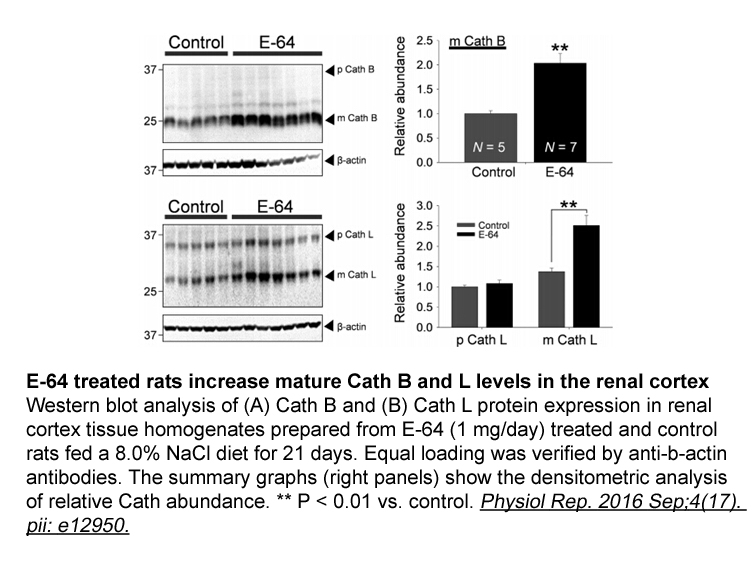
Conclusion Until recently, astrocytes were recognized solely for their maintenance role in the regulation of Y-27632 homeostasis. Nowadays, this idea has changed, it is clear that these cells play a crucial role in the regulation of neuronal activity and signal transmission. In particular, glial
-
Free fatty acid receptor FFAR also known
2022-04-06

Free fatty JTP74057 receptor 1 (FFAR1, also known as GPR40) belongs to the family of G protein-coupled receptors (GPCRs) and was de-orphanized in 2003 as a receptor for medium-to long-chain free fatty acids (FFAs) [9,10]. Mainly expressed in beta cells of pancreatic islets, GPR40 can be activated b
-
Glucagon regulates the transition from hepatic glucose utili
2022-04-06
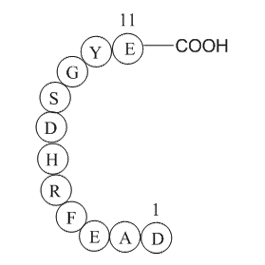
Glucagon regulates the transition from hepatic glucose utilisation in the absorptive state to glucagon production in the post-absorptive state by acute stimulation of glycogenolysis and inhibition of glycolysis [1]. An important component of this response is the phosphorylation of liver PFK2/FBPase2
16500 records 508/1100 page Previous Next First page 上5页 506507508509510 下5页 Last page