Archives
- 2026-04
- 2026-03
- 2026-02
- 2026-01
- 2025-12
- 2025-11
- 2025-10
- 2025-09
- 2025-03
- 2025-02
- 2025-01
- 2024-12
- 2024-11
- 2024-10
- 2024-09
- 2024-08
- 2024-07
- 2024-06
- 2024-05
- 2024-04
- 2024-03
- 2024-02
- 2024-01
- 2023-12
- 2023-11
- 2023-10
- 2023-09
- 2023-08
- 2023-07
- 2023-06
- 2023-05
- 2023-04
- 2023-03
- 2023-02
- 2023-01
- 2022-12
- 2022-11
- 2022-10
- 2022-09
- 2022-08
- 2022-07
- 2022-06
- 2022-05
- 2022-04
- 2022-03
- 2022-02
- 2022-01
- 2021-12
- 2021-11
- 2021-10
- 2021-09
- 2021-08
- 2021-07
- 2021-06
- 2021-05
- 2021-04
- 2021-03
- 2021-02
- 2021-01
- 2020-12
- 2020-11
- 2020-10
- 2020-09
- 2020-08
- 2020-07
- 2020-06
- 2020-05
- 2020-04
- 2020-03
- 2020-02
- 2020-01
- 2019-12
- 2019-11
- 2019-10
- 2019-09
- 2019-08
- 2019-07
- 2019-06
- 2019-05
- 2019-04
- 2018-07
-
Autophagy is a degradation pathway existing in all eukaryoti
2019-09-24
Autophagy is a degradation pathway existing in all eukaryotic organisms. It is the main system for the degradation of bulk cytoplasmic components in cells (Feng et al., 2014), but it also plays a crucial role in other processes, as immunity (Wileman, 2013), mitochondrial (Dengjel and Abeliovich, 201
-
HOIP s ability to build linear
2019-09-24
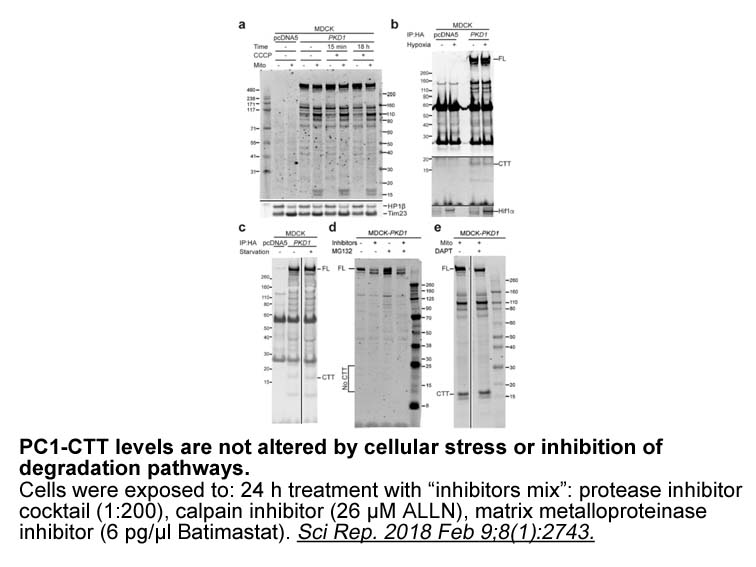
HOIP\'s ability to build linear Ub chains arises from a unique domain that follows directly after the RING2 domain, the linear ubiquitin chain-determining domain (LDD) (Fig. 1). Structures have revealed that the LDD is structurally integrated into RING2, creating a single RING2–LDD unit (Fig. 2D) [4
-
Autophagy is a degradation pathway existing in all eukaryoti
2019-09-24
Autophagy is a degradation pathway existing in all eukaryotic organisms. It is the main system for the degradation of bulk cytoplasmic components in cells (Feng et al., 2014), but it also plays a crucial role in other processes, as immunity (Wileman, 2013), mitochondrial (Dengjel and Abeliovich, 201
-
The ubiquitin proteasome system Ub P
2019-09-24
The ubiquitin–proteasome system (Ub–P) is the main cellular machinery for protein turnover in eukaryotic cells (Glickman and Ciechanover, 2002). Degradation by Ub–P involves two steps. Target proteins are selectively, specifically, and covalently attached to ubiquitin (Ub) chains, followed by Ub-tag
-
br Ubiquitylation of the TGF BMP
2019-09-24
Ubiquitylation of the TGFβ/BMP pathway components Ubiquitylation is a reversible post-translational modification that is essential in many cellular regulatory mechanisms [20], [21]. During the ubiquitylation cascade, ubiquitin is attached to target proteins through the concerted actions of an E1-
-
Ramiprilat pathway Materials and methods Between January and
2019-09-24
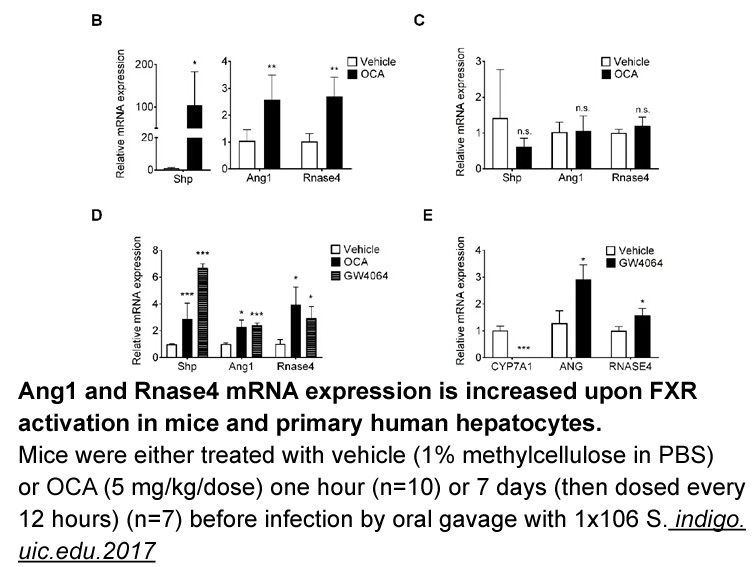
Materials and methods Between January 2006 and December 2008, 34 patients with GBM were treated with postoperative three-dimensional (3D) radiotherapy at Tartu University Hospital or North Estonian Medical Centre. Characteristics of patients are listed in Table 1. Results Discussion Radiothe
-
The outcome of DGK function will
2019-09-24
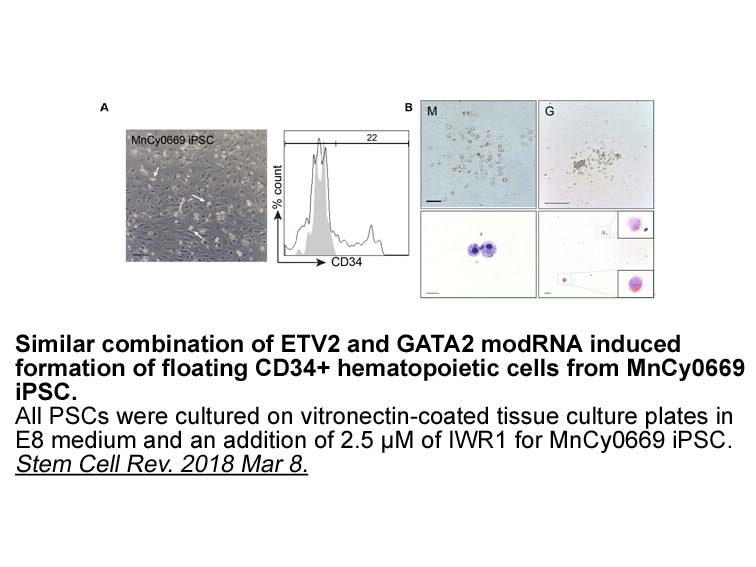
The outcome of DGK function will thus depend on the binding partners of each DGK isoform, and the effects that they exert can be quite different. A clear example of this concept has been demonstrated for the type IV DGKs, ζ and ι, which are structurally very similar but have opposing effects on Ras
-
Present malarial chemotherapies mainly rely on a very few ch
2019-09-24
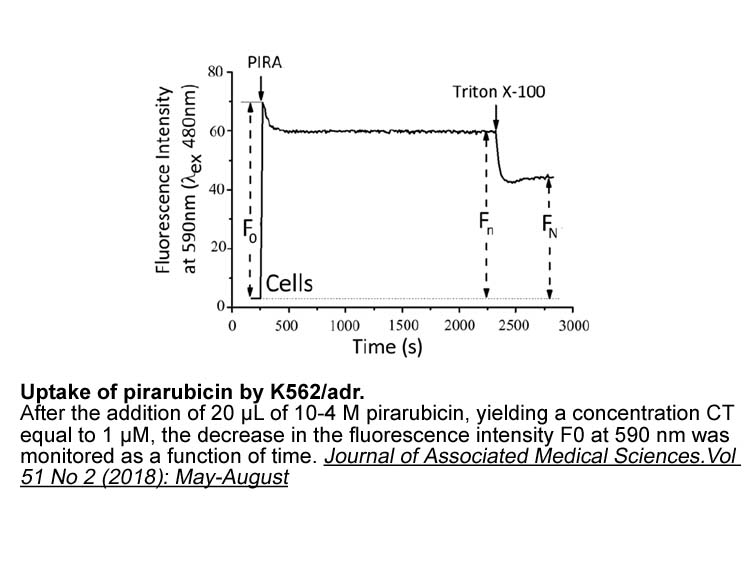
Present malarial chemotherapies mainly rely on a very few chemotypes or their allied structures such as quinolines, anti-folates and some cyclic endo-peroxides (Nayyar et al., 2012). Over the last few decades, the extensive and repetitive deployment of these drugs has stimulated resistance in the pa
-
br Materials and methods br Results br Discussion Tuberculos
2019-09-23
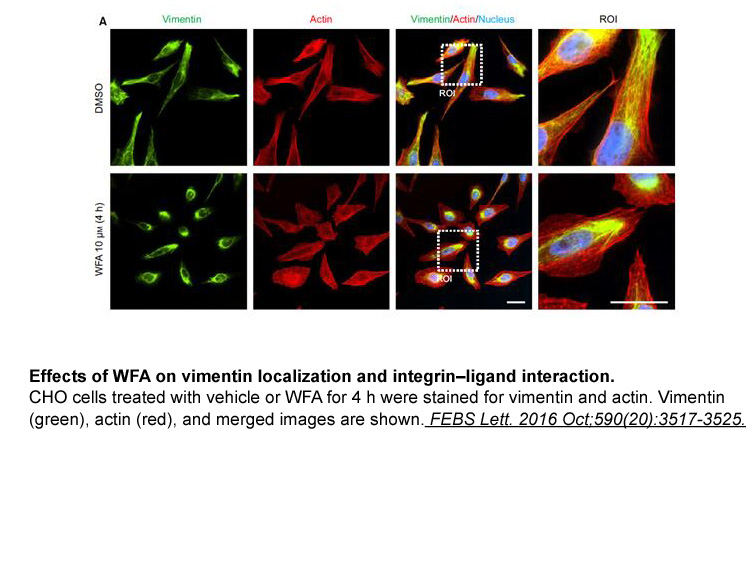
Materials and methods Results Discussion Tuberculosis is caused by the mycobacterium M. tuberculosis, a pathogen able to survive in the hostile conditions through sophisticated defence mechanisms. In an attempt to clarify some aspects of the M. tuberculosis defence mechanisms, we have inves
-
br Materials and methods br
2019-09-23
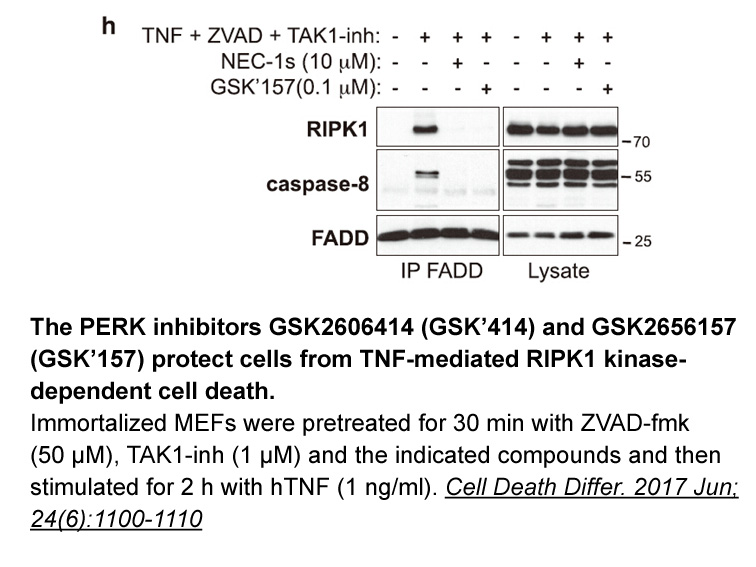
Materials and methods Results Discussion The first DGAT1 gene was described in the mouse in 1998 [28], and a few years later DGAT2 was identified from the oleaginous fungus Mortierella ramanniana[29]. Although both of them are known as the primary enzymes for de novo TAG biosynthesis, they
-
We note that there are slight qualitative differences among
2019-09-23

We note that there are slight qualitative differences among the similar time-optimal protocols. We attribute this to the challenging nature of our PDE and ODE state constrained optimization problem. While our optimization algorithm was able to converge to local optima in each case, it is likely that
-
Fig shows graphically the abundance distributions of the
2019-09-23
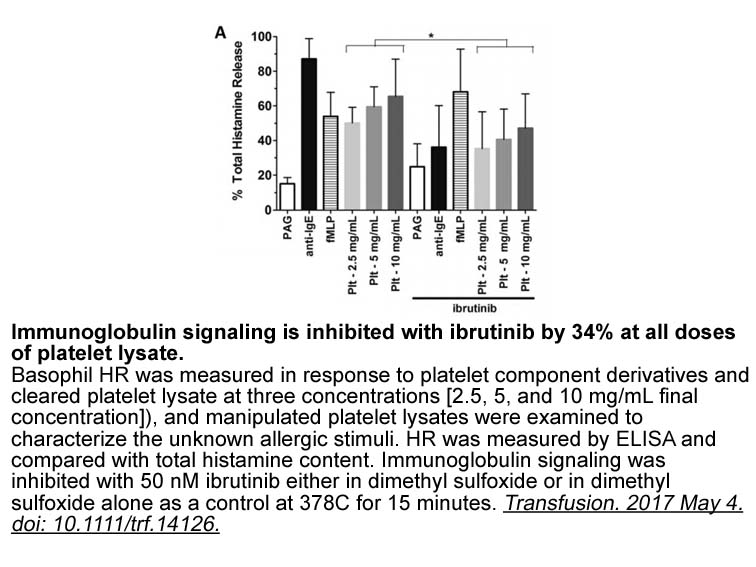
Fig. 3 shows, graphically, the abundance distributions of the ARD% of the investigated data with both the CPA-NRTL and CPA-UNIQUAC models, where ARD% is defined as,in which x and x are the experimental and calculated SO2 molar compositions in the liquid phase, respectively, and N is the total number
-
In the current study we monitored different groups at
2019-09-23
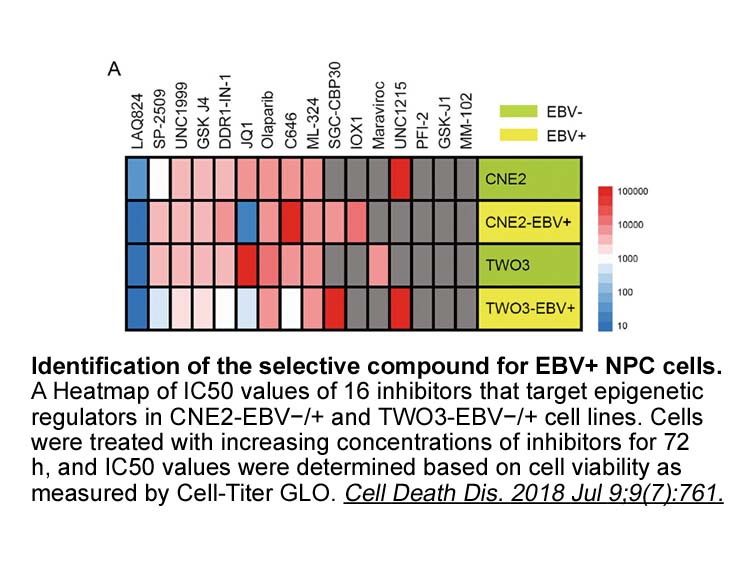
In the current study, we monitored different groups at risk for CMV reactivation. Similar to the findings from other groups, we observed CMV-reactivations with high-level viremia mostly during the first three months after alloHSCT only in the (D−/R+) and (D+/R+) group [[23], [24]]. Increasing IFN‐γ
-
To our knowledge this study is
2019-09-23
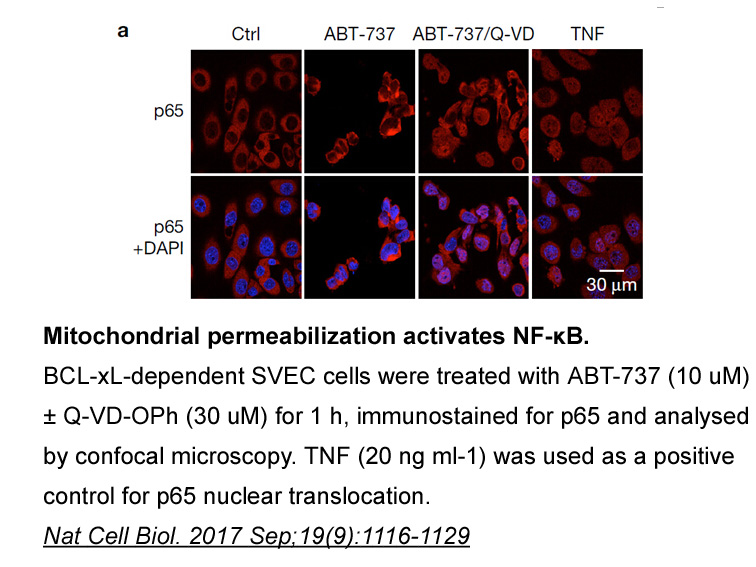
To our knowledge, this study is the first to construct a whole-body transcriptome of D. variabilis. Most of the data currently accessible in NCBI are derived from a midgut EST database consisting of 1679 transcripts (Anderson et al., 2008) and about 20,000 mRNA sequences from the testis-vas deferens
-
br Prospect of DDR antagonist DDR a
2019-09-23
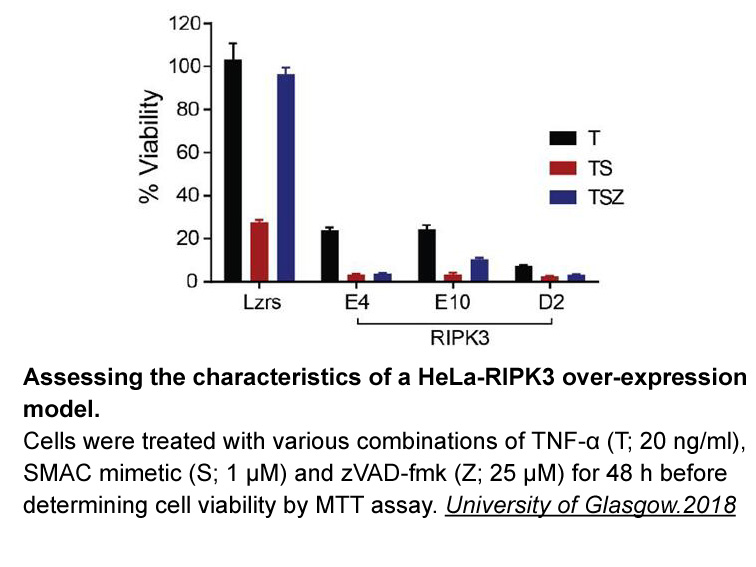
Prospect of DDR2 antagonist DDR2, a receptor of tyrosine kinase has been found now to be reported to play a significant role in onset of osteoarthritis at the early stage of diseases progression. The DDR2 are the receptor for extracellular collagen and activated upon the binding of collagen resul
16328 records 1010/1089 page Previous Next First page 上5页 10061007100810091010 下5页 Last page